
A quick heads-up: This post contains affiliate links. If you buy something through one of my links, I may earn a commission at no additional cost to you. As an Amazon Associate I earn from qualifying purchases.
Why Am I Making My Own Dirt?
At some point in owning approximately 40 houseplants, buying little bags of premixed potting soil starts to feel a little ridiculous.
Especially when half the ingredients I want in my houseplant soil are already sitting around waiting for my next terrarium, propagation experiment, or whatever plant-related rabbit hole I’ve managed to fall into that week.
So, I started making my own.
Making one big batch gives me a lot more soil to work with, and I’m able to buy ingredients that pull double—or triple—duty across my other projects. Coco coir? It’s going in my houseplant soil and my terrariums. Orchid bark? Same story.
Instead of buying a different bag of premixed soil every time I decide another plant simply has to come home with me, I keep the basic ingredients around and mix what I need.
And here’s the best part: I really don’t make 15 different soil recipes.
Most of the time, I mix the same five ingredients together. That basic mixture works for probably 80% of my houseplants. When one of my plants needs something a little different, I don’t start from scratch—I modify the base mix.
Needs more moisture? I can add some sphagnum moss.
Needs more drainage? I can make it chunkier.
Needs something completely different because it’s a cactus and apparently refuses to participate in my beautifully convenient system?
Fine. It gets cactus soil.
So, if you’ve ever wondered what’s actually inside all those bins and bags plant people keep around, welcome to my dirt drawer.
Here’s what goes into mine.
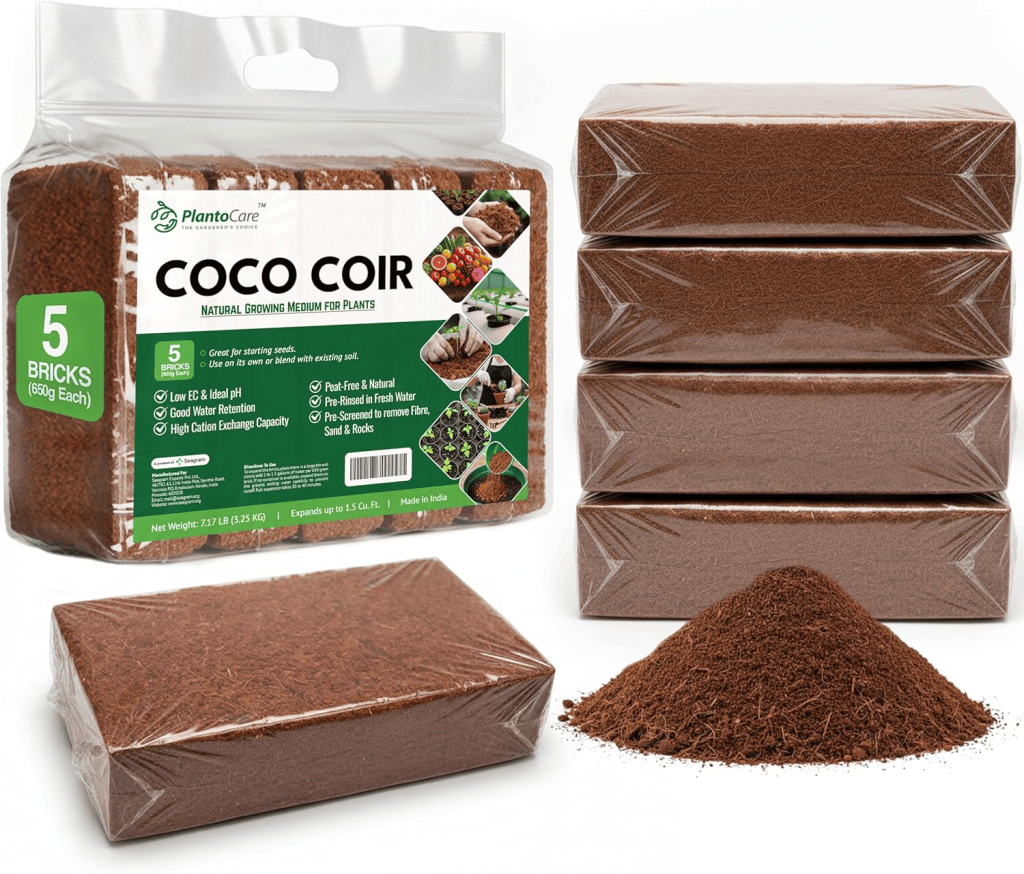
1. Coco Coir — The Base of It All
If my houseplant soil were a recipe, coco coir would be the ingredient everything else gets mixed into.
Coco coir is made from coconut husks, and I like using it as the base of my mix because it holds moisture while still giving me the freedom to control how airy and chunky the finished soil becomes.
I especially like compressed coco coir because a relatively small amount turns into a surprising amount of material once it’s hydrated. When you have a lot of plants—or a habit of starting projects that require substrate—that’s pretty convenient.
It’s also one of those ingredients I can use for more than one hobby. Houseplants? Yep. Terrariums? Yep. Random project I haven’t discovered yet but will inevitably become obsessed with? Probably.
On its own, though, coco coir isn’t my finished houseplant soil. It’s the starting point.
What it does in my mix: Provides the moisture-retaining base that everything else gets added to.
Why I keep it around: It’s versatile, stores compactly when compressed, and I can use it for houseplants and terrariums.
2. Perlite — The Fluffy White Stuff That Will Somehow Get Everywhere
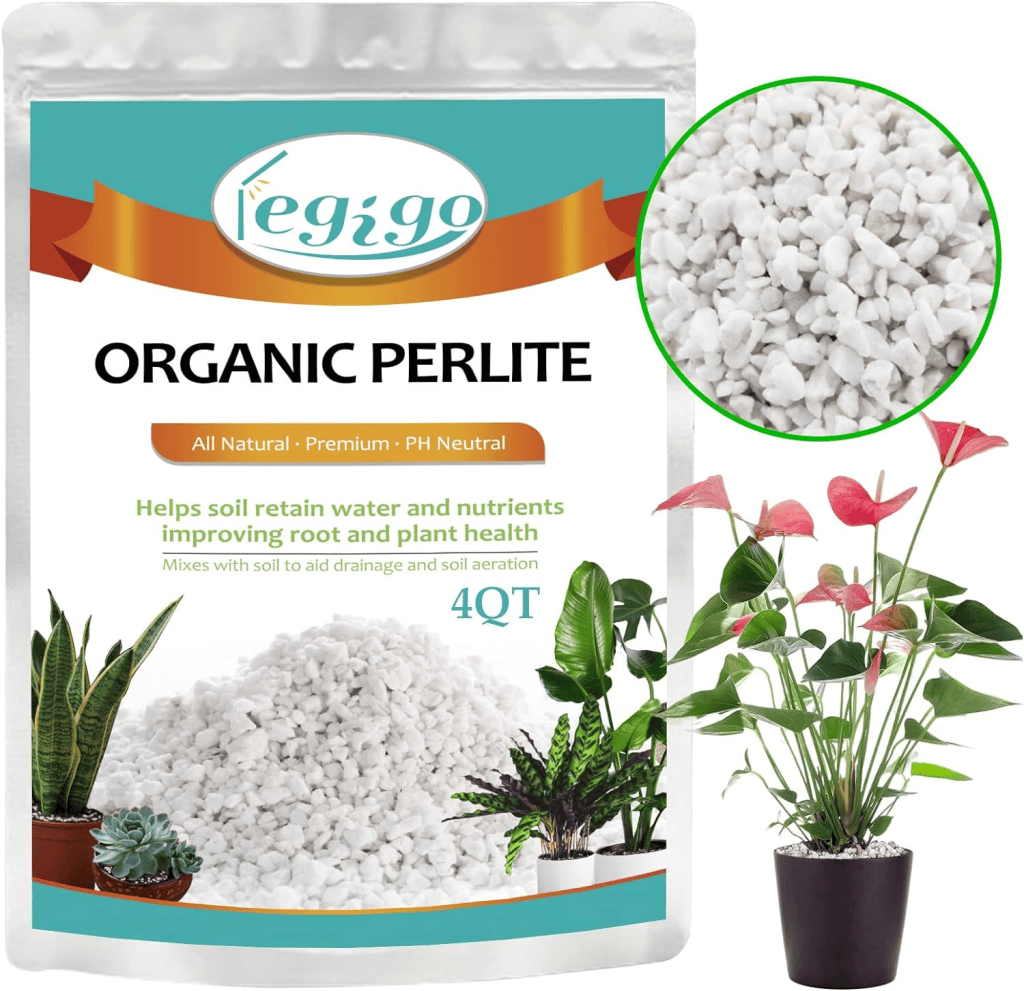
If you’ve ever opened a bag of potting soil and wondered what all those tiny white pieces were, there’s a good chance you’ve met perlite.
I add it because roots need more than water and dirt—they need air, too.
Perlite helps keep my mix from becoming one dense, compact mass around the roots. It creates more air space and helps water move through the mix instead of hanging around forever.
Basically, coco coir is helping me hold onto some moisture while perlite is over here saying:
Okay, but maybe let’s not turn this pot into a swamp.
It’s incredibly lightweight, which is great right up until you pour it too enthusiastically and discover that perlite apparently has aspirations of living on every surface surrounding you.
Still worth it.
What it does in my mix: Adds aeration and helps improve drainage.
Why I keep it around: It’s an easy way to loosen up a mix, and I can add more whenever I have a plant that doesn’t want to stay wet for very long.
3. Orchid Bark — Let’s Make It Chunky
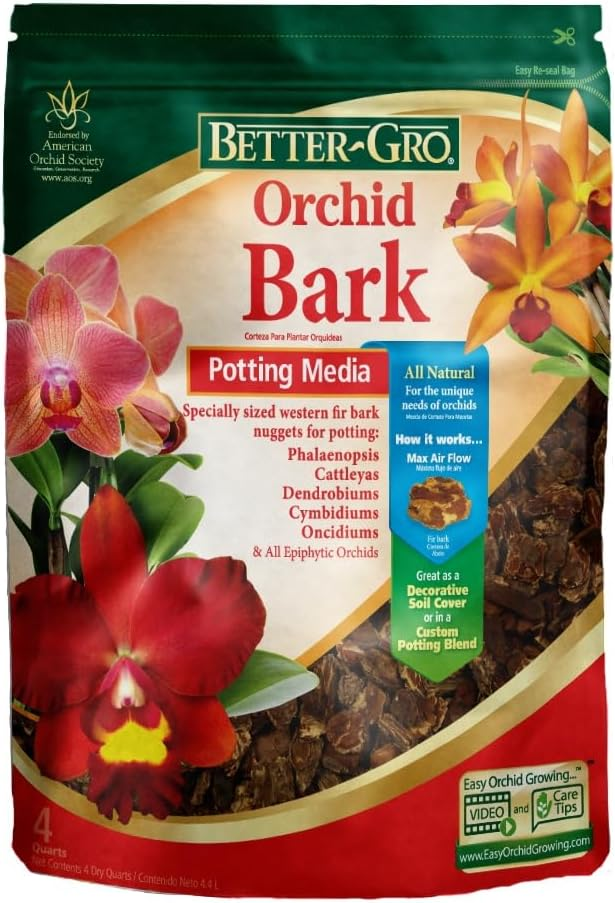
I love a chunky soil mix, and orchid bark is one of the easiest ways I’ve found to get there.
The larger pieces of bark help keep everything from packing tightly together around the roots. They create little pockets of space throughout the mix, giving water somewhere to move and roots some much-needed breathing room.
And despite having orchid right there in the name, I definitely don’t save it just for orchids. It goes straight into my everyday houseplant mix.
I especially like having orchid bark around because it’s another one of those ingredients that earns its keep. I can use it in my houseplant soil, terrariums, and other plant projects instead of buying something that only has one very specific purpose.
It’s also one of the first things I reach for when I want to make my regular mix a little chunkier. If I look at the soil and think it seems too dense?
More bark.
Very scientific.
What it does in my mix: Adds structure, creates air pockets, and helps improve drainage.
Why I keep it around: I like a loose, chunky soil mix, it’s easy to add more when a plant needs extra drainage, and I can use it for plenty of other plant projects.
4. Worm Castings — Yes, It’s Worm Poop
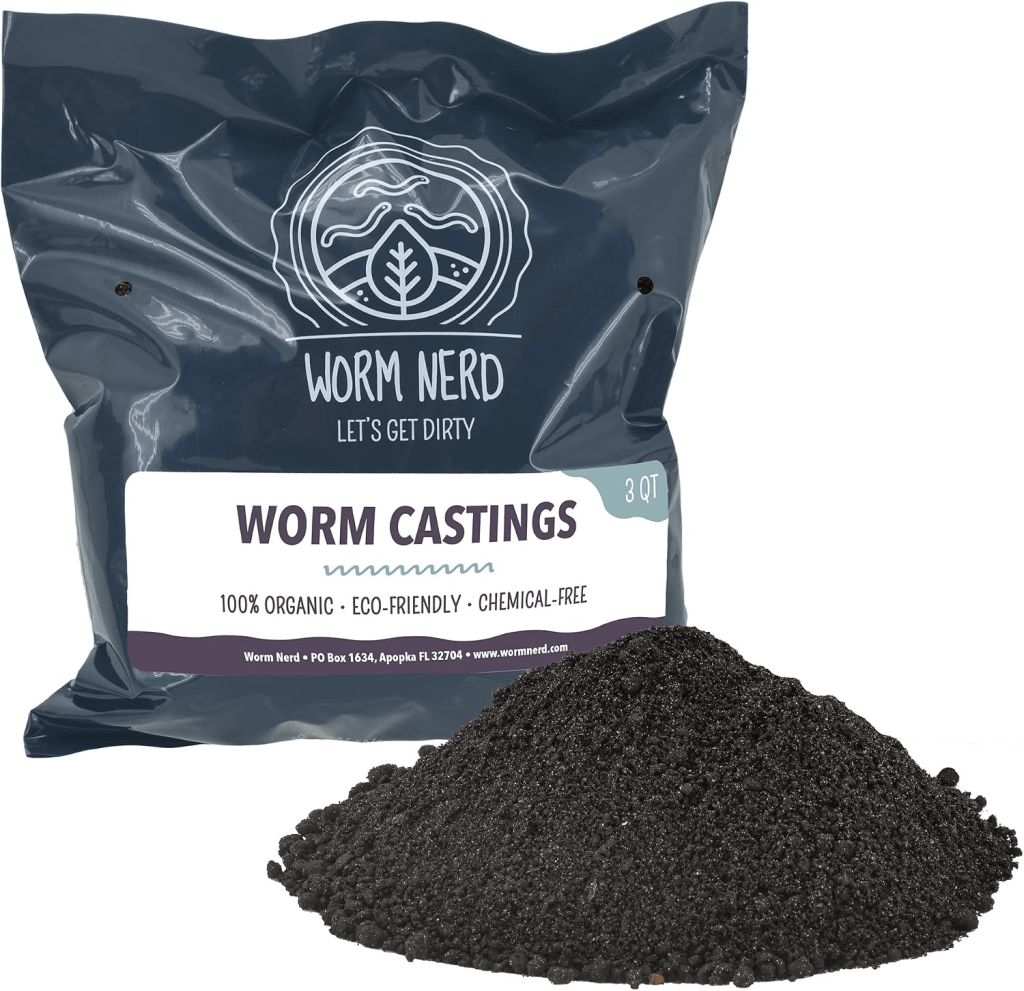
We’re putting worm poop in the houseplants.
Worm castings are an organic soil amendment, and I add them because the other ingredients in my mixture are mostly there to create the physical environment I want around the roots. Coco coir gives me my base, perlite gives me air, bark gives me structure—and worm castings bring some nutrients into the situation.
You don’t need your entire pot to consist of worm castings. They’re an amendment, not the main event.
I mix some into my base mixture and let the worms’ previous digestive efforts contribute to the cause.
Thank you for your service, worms.
What it does in my mix: Adds organic matter and nutrients.
Why I keep it around: My base ingredients aren’t there primarily to feed the plant, so I like having something nutrient-rich mixed in.
[Get the worm castings I use →]
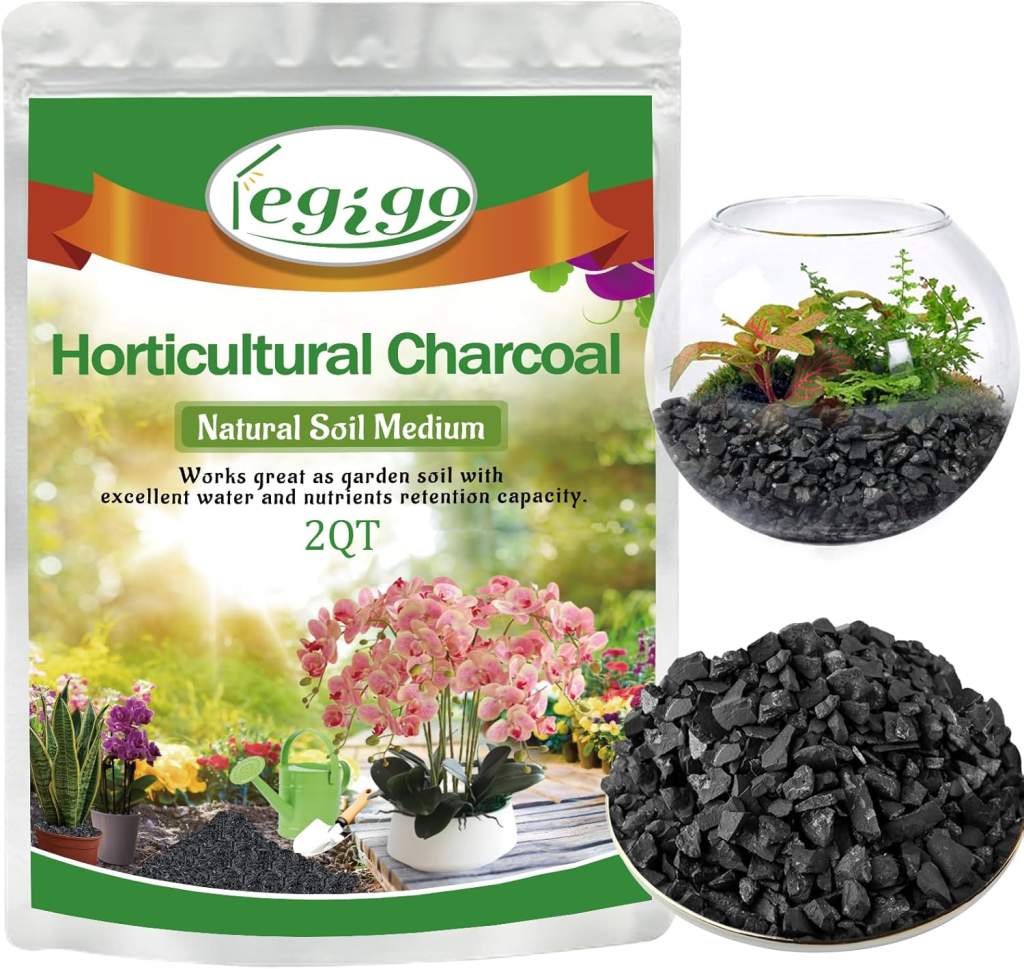
5. Horticultural Charcoal — The Supporting Character
Charcoal gets credited with approximately 700 miraculous abilities on the plant side of the internet.
I’m not going to tell you that putting a handful of charcoal into a pot will magically purify everything, prevent every case of root rot, cure your plant’s emotional problems, and bring peace to your household.
I use horticultural charcoal as one component of my mix, particularly because I already keep it around for terrariums. It adds another coarse material to the mixture and helps me maintain the loose, well-aerated texture I’m looking for.
And that’s really a theme here.
I’m not buying five ingredients because every houseplant needs an elaborate secret soil formula. I’m buying ingredients that are useful across several plant-related projects and combining them into something that works well for the way I grow plants.
What it does in my mix: Adds another coarse component and contributes to the loose structure of the mix. It can also help with potential mold or smell.
Why I keep it around: I already use horticultural charcoal for terrariums, so it makes sense to have one ingredient doing multiple jobs.
[Get the horticultural charcoal I use →]
Okay, But How Much of Everything?
Here is where I’m supposed to give you a beautifully precise recipe with measurements.
I don’t have one.
I am very much a mix-it-until-it-looks-right kind of person.
Coco coir makes up the base. Then I add perlite, orchid bark, worm castings, and horticultural charcoal until I have a loose, chunky mixture that holds some moisture without turning into a dense brick when it’s wet.
I want to be able to see those pieces of bark and perlite throughout it. I want water to move through it. And I don’t want the whole thing compacting around my plant’s roots.
Could I measure every ingredient and recreate the exact same mixture every time?
Sure.
Am I going to?
Probably not.
Plants don’t all want exactly the same thing anyway, which is part of why keeping the individual ingredients around works so well for me.
My Base Mix Works for Most of My Plants
I have around 40 houseplants, and I’d estimate that this basic mixture works for about 80% of them.
That’s probably my favorite part of making soil this way.
I don’t have to keep a completely separate premixed soil for every category of plant I own. I make my main mixture, use it for the majority of my plants, and then adjust it when something has different needs.
Think of the base mix as the starting point rather than a sacred recipe.
If one plant needs something different, I can change its soil without reinventing my entire system.
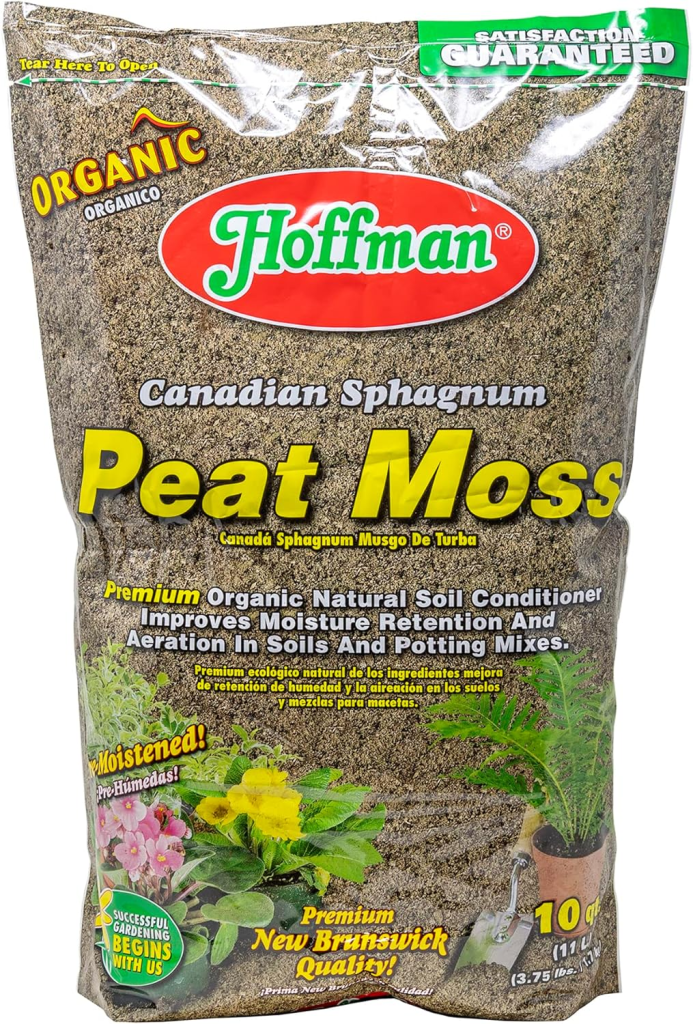
When I Want More Moisture: Sphagnum Moss
Sometimes I have a plant or project where I want the growing medium to hang onto moisture a little longer.
That’s when sphagnum moss can make an appearance.
I don’t automatically throw it into every batch of my everyday houseplant mix. It’s something I keep around and use when I feel like a particular plant or project would benefit from additional moisture retention.
It’s also yet another ingredient that earns its storage space because I can use it in other plant projects and terrariums.
Apparently my actual hobby isn’t collecting plants.
It’s collecting increasingly specific bags of plant material.
When I add it: When I want the mixture to retain more moisture than my normal base mix.
[Get the sphagnum moss I use →]
When I Want More Drainage
This is another reason I love keeping the ingredients separate.
If I’m potting something that I’d rather not have sitting in wet soil for very long, I can adjust the texture of the base mix instead of going out and buying another bag of soil.
I’ll make it chunkier and more aerated (typically I do this using more orchid bark), leaning more heavily on the ingredients that create space throughout the mixture rather than trying to make my normal mix hold additional moisture.
The important part isn’t memorizing one perfect ratio. It’s understanding what the ingredients are doing so you can make little adjustments when your plants ask for them.
Well, they don’t literally ask.
Usually they communicate through the much less convenient method of looking vaguely unhappy until I figure out what I’ve done wrong.
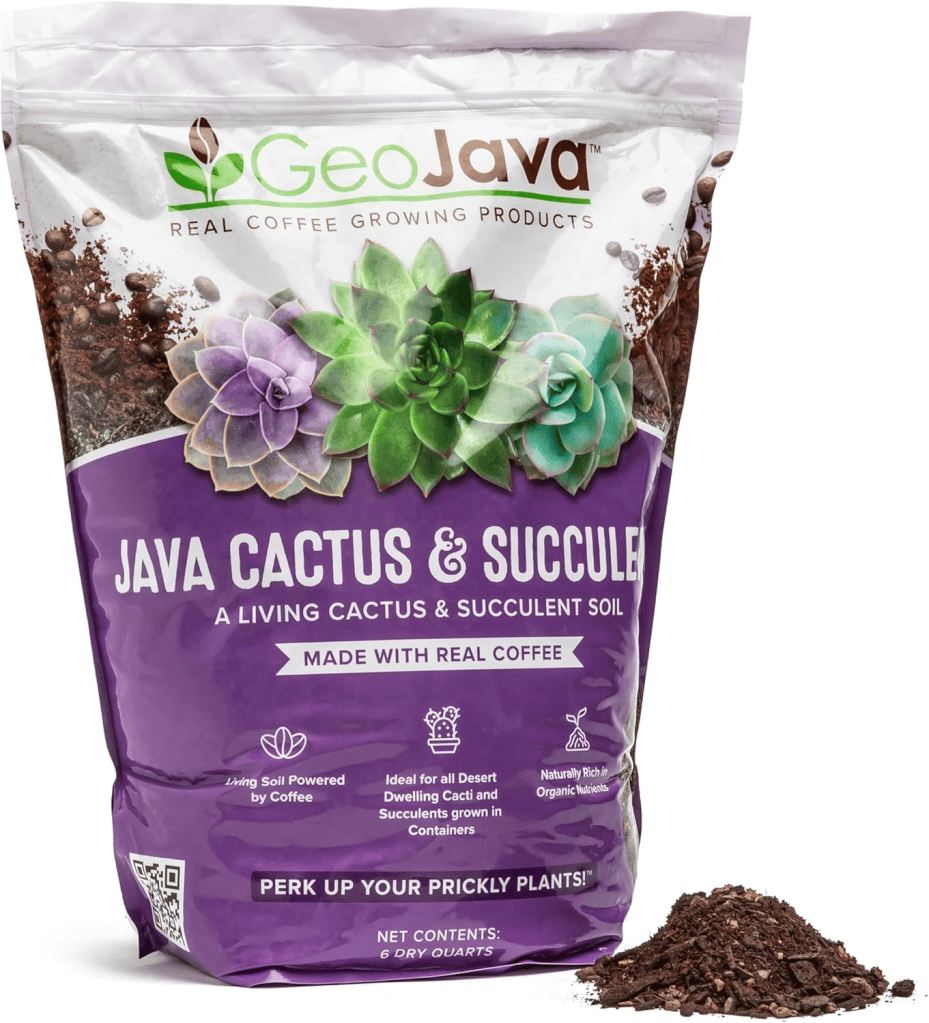
The Exception: Cactus Soil
With all these ingredients sitting around, surely I also make my own cactus soil, right?
Nope.
I buy it.
Could I experiment with making a specialized gritty mix? Absolutely. Maybe one day that will become another rabbit hole.
For now, cactus soil is the one mixture I buy separately.
Cacti and succulents are some of those plants that don’t communicate very well. They don’t tell you something is wrong until it is increasingly difficult to correct it. Especially overwatered cacti and succulents.
Sometimes convenience wins.
So, Do You Need to Start Making Your Own Houseplant Soil?
Absolutely not.
If you’ve got three houseplants and they’re perfectly happy in the potting mix you’re already buying, I’m certainly not going to tell you that you need to create a small soil laboratory in your home.
For me, it makes sense.
I have around 40 houseplants, I regularly make terrariums and other plant projects, and I use these same ingredients for multiple purposes. Buying the individual components lets me make a larger amount of soil, keep the things I already use on hand, and change the mixture whenever one of my plants needs something a little different.
And that’s what I like most about it.
There isn’t one magical bag of dirt that every plant in my house has agreed to enjoy. I have a basic mixture that works most of the time and enough individual ingredients to adjust it when it doesn’t.
So if you’ve been thinking about mixing your own soil, you don’t need 15 ingredients and a spreadsheet full of ratios.
Start with a good base. Learn what each ingredient actually contributes. Pay attention to how your plants respond.
And then adjust accordingly.
Or, if it’s a cactus, do what I do and buy the bag.


Leave a Reply